




Alma Solís
asolis@noticiasdepanama.com
A few days ago, we saw reports that a ship paid as much as $4 million to cross the Panama Canal, and everything was linked to the conflict in the Middle East.
But here’s what matters: that ship was not coming from the Middle East.
Here’s what actually happened.
Asia normally buys oil and gas from the Middle East, and that route passes through the Strait of Hormuz, where nearly 20% of the world’s oil supply moves. With the current situation, that passage has become increasingly risky.
So buyers are doing something critical: they are purchasing more fuel — especially natural gas — from the United States.
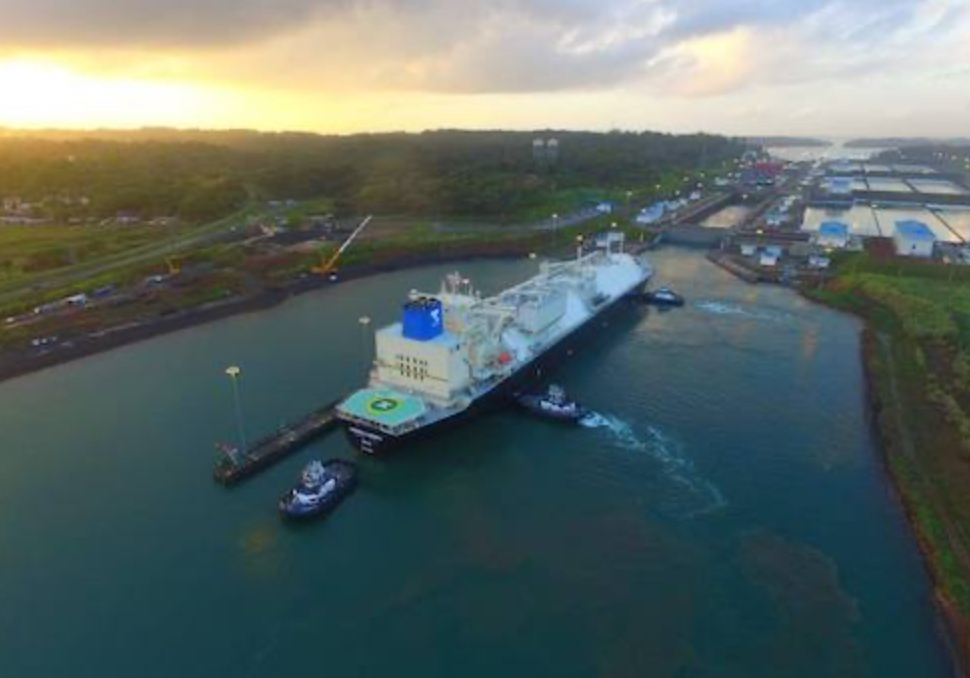
Now enters the ship, an LPG carrier.
The United States exports energy to Europe from the Gulf of Mexico or Texas, and that route does not usually pass through the Panama Canal. That was the ship’s original route: it was heading to Europe.
But in the middle of the voyage, the destination changed.
The cargo was redirected to Asia due to an urgent supply need — they were running low on fuel.
That’s where the Panama Canal comes in.
The fastest route was through Panama, but the ship did not have a reservation.
Here’s how the canal works: ships with reservations go first, while those without reservations must enter an auction system for available transit slots, where the highest bidder wins.
Crossing the canal normally costs between $300,000 and $400,000 with a reservation, and up to 40 ships can transit daily depending on water availability — which is currently strong — while an additional 3 to 5 slots are typically opened for auction.
Previously, an auction slot would cost an additional $250,000 to $300,000.
Now that extra cost averages around $425,000.
But in extreme cases like this one, prices can skyrocket.
This ship paid $4 million just for the auction slot, on top of the regular toll.
And it was not the only one: at least two other vessels have paid more than $3 million.
This is not a normal price. It is the result of trade routes shifting in real time and the urgency to move energy supplies during a global conflict.
Weeks ago, Panama Canal Administrator Ricaurte Vásquez had already warned about this possibility.
Much of the cargo that originates in the Middle East may need to be replaced by other sources. In the case of liquefied natural gas, one alternative would be the United States, which currently supplies Europe but could redirect part of that cargo to Asia. If that happens, one likely route would be through the Panama Canal, Vásquez said.
This is how the conflict is changing shipping routes…
and also the costs of global trade.
This story was translated into English with the help of artificial intelligence.





Discussion about this post